
Wondering whether an established neighborhood or a newer pocket is the better fit in Smyrna? It is a smart question, because in a city this compact, the difference often comes down to how you want to live day to day, not just where the pin drops on a map. If you are weighing charm, lot size, amenities, walkability, or maintenance, this guide will help you compare the tradeoffs with more confidence. Let’s dive in.
Why Smyrna Feels Different
Smyrna covers about 15 square miles, and much of its housing growth since 2010 has come through redevelopment rather than large new subdivisions. The city has less raw land left, so many newer housing options are tied to infill projects, downtown redevelopment, or corridor-adjacent communities.
That matters when you compare established and newer neighborhoods. In Smyrna, the choice is often less about being far from the action and more about street character, home style, lot pattern, private amenities, and how recently an area was built or reshaped.
What Established Neighborhoods Offer
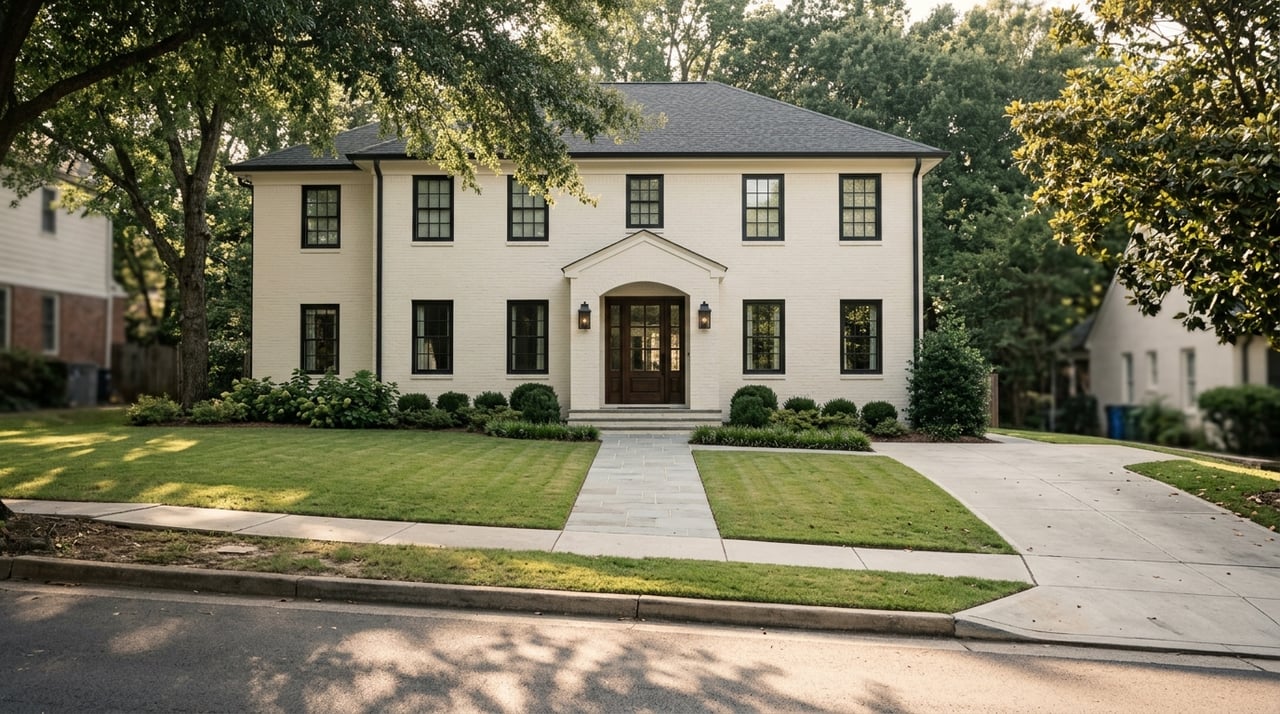
Established neighborhoods in Smyrna tend to appeal to buyers who want personality, mature trees, varied home styles, and a lived-in street feel. You may also find strong access to downtown, parks, and daily conveniences without needing a large master-planned setting.
These areas are usually less uniform than newer communities. Lot sizes, setbacks, renovations, and curb appeal can vary from one block to the next, which gives you more variety but also calls for a closer look at each specific property.
Williams Park
Williams Park is the city’s oldest neighborhood. It includes Craftsman and Victorian homes, along with loft and mixed-use options, and it sits within a short walk of downtown and Market Village.
If you want historic character and in-town access, this area is one of the clearest fits. The tradeoff is that home styles and updates can vary, so your experience may depend heavily on the individual property.
Forest Hills
Forest Hills is known for its tree-filled setting and range of home styles and lot sizes. That variety can be a plus if you do not want a cookie-cutter feel.
For buyers who value mature landscaping and a neighborhood that feels established, Forest Hills stands out. It may require more comparison shopping, since homes can differ widely in age, layout, and renovation level.
Smyrna Heights
Smyrna Heights has an open, mid-century feel and is not centered around a large shared amenity area. Instead, its draw includes proximity to public parks with a pool, tennis courts, ballfields, and walking trails.
If you like the idea of in-town value and public recreation nearby, this neighborhood is worth a close look. It can be a strong option for buyers who want access to amenities without paying for a large private amenity package.
Bennett Woods
Bennett Woods is a traditional suburban neighborhood with more than 300 homes, many of them brick ranches from the 1960s and 1970s. It tends to appeal to buyers who want a classic residential setting and straightforward single-family housing.
This neighborhood may be especially attractive if you like mid-century ranch layouts or want a more established suburban feel. As with many older areas, condition and updates can differ from home to home.
Cheney Woods
Cheney Woods dates to the 1950s and 1960s and is largely made up of ranch homes, many of which have been renovated. That mix of original homes and updated properties gives buyers a range of choices.
If you want established character with the possibility of modernized interiors, Cheney Woods can be a strong contender. It is a neighborhood where careful property-by-property review is especially important.
What Newer Smyrna Options Look Like
Newer neighborhoods in Smyrna do not always mean sprawling new subdivisions. Because land is limited, many newer options are either redevelopment-driven, downtown-oriented, or part of amenity-rich planned communities.
That gives you a different set of benefits. You may find more predictable community design, lower-maintenance living, or bundled private amenities, depending on the area.
Downtown and Market Village
Smyrna’s downtown redevelopment is one of the city’s defining newer environments. The Village Green concept began in 1988 and combined housing, retail, office space, civic buildings, and a public safety facility in a modified Williamsburg style.
Market Village opened in 2002 as a pedestrian-oriented area with townhomes over retail and office space, plus restaurants. The city describes it as the social center of Smyrna, which helps explain why buyers drawn to walkability and activity often focus here first.
If you want low-maintenance living with immediate access to restaurants, events, and civic amenities, this pocket is hard to beat. The main tradeoff is that you are usually choosing convenience and lifestyle access over a larger yard.
Vinings Estates
Vinings Estates is one of Smyrna’s clearest examples of a newer master-planned residential community. The city describes it as a wooded retreat with large homesites, rolling hills, three pools, tennis courts, clubhouses, and playgrounds.
For buyers who want a more amenity-rich lifestyle, this kind of neighborhood checks a very different box than an older in-town area. It can be a strong fit if private recreation and a more planned community layout matter to you.
Corridor-Adjacent Redevelopment
Other newer Smyrna options are often tied to major corridors rather than large undeveloped tracts. Atlanta Road is described by the city as a newer high-end residential corridor, while South Cobb Drive continues to evolve as a key connection between I-75 and I-285.
The city and GDOT are working on improvements along South Cobb Drive that support walkability, transit accommodations, landscaping, and redevelopment potential. For buyers, that means some newer opportunities may come in areas shaped by access and reinvestment rather than by traditional subdivision planning.
Established vs Newer: Key Tradeoffs
If you are deciding between older and newer neighborhoods in Smyrna, it helps to compare them by lifestyle category instead of just age. The better choice usually comes down to what matters most in your routine.
| Feature | Established Neighborhoods | Newer Pockets |
|---|---|---|
| Street feel | Mature trees, varied character, mixed home styles | More planned appearance, redevelopment influence |
| Home variety | Wider variation in age, layout, and updates | Often more consistent design or product type |
| Amenities | More likely to rely on public parks and downtown access | More likely to include private amenities |
| Maintenance | Can require closer review of age and condition | Often appeals to buyers seeking easier upkeep |
| Yard and lot pattern | Can be more varied from home to home | May be more structured by community design |
| Walkability | Strong in select older in-town areas | Especially strong downtown and in Market Village |
How Amenities Differ
Amenities are one of the clearest dividing lines. In many established Smyrna neighborhoods, the lifestyle is tied more to public spaces and city programming than to private neighborhood perks.
For example, Smyrna Heights is near public parks with a pool, tennis courts, ballfields, and walking trails. Downtown also adds public events, concerts, and festivals around the Village Green.
In newer planned communities, amenities are more often built into the neighborhood itself. Vinings Estates, for example, includes pools, tennis courts, clubhouses, and playgrounds, which can be a major plus if you want recreation close to home.
How Access and Commuting Compare
Smyrna’s location is one of its biggest practical advantages. The city highlights access to I-75, I-20, and I-285, along with major routes such as Cobb Parkway, Atlanta Road, South Cobb Drive, and the East-West Connector.
CobbLinc also links to MARTA, which adds another transportation option. If commuting or regional access is part of your decision, it is worth comparing how each neighborhood lines up with the corridors you expect to use most often.
In a compact city like Smyrna, even small shifts in location can change your daily driving pattern or how easily you reach restaurants, parks, and downtown activity. That is why commute testing and route review should be part of your home search.
What Buyers Should Check Closely
No matter which side of the established-versus-newer debate you prefer, due diligence matters. In older neighborhoods, that often means focusing on individual home condition, renovation quality, and how the property compares with the rest of the street.
In newer communities, it is smart to review the specific HOA or association documents. The city notes that most neighborhood associations are voluntary, and private community rules can go beyond the city’s zoning baseline.
Here are a few items to review closely in newer communities:
- Dues and what they cover
- Rental rules
- Exterior maintenance responsibilities
- Architectural review requirements
- Amenity access details
Which Smyrna Neighborhood Style Fits You?
If you are still narrowing your shortlist, a simple lifestyle match can help. Buyers who want historic and walkable character often start with Williams Park or Cheney Woods.
If mature trees and varied lot sizes are high on your list, Forest Hills may stand out. If you want mid-century housing with nearby public-park access, Smyrna Heights or Bennett Woods can make sense.
If your priority is newer amenities and larger homesites, Vinings Estates is one of the clearest options. If you want low-maintenance living near restaurants, events, and downtown energy, Market Village is often the strongest fit.
The right choice usually becomes clearer once you compare your daily priorities. If you want help sorting through Smyrna’s established neighborhoods and newer pockets, Shawn Nixon can help you build a focused shortlist and move forward with a clear plan.
FAQs
What is the main difference between established and newer neighborhoods in Smyrna?
- In Smyrna, established neighborhoods usually offer more character, mature streetscapes, and varied home styles, while newer pockets often offer more planned layouts, low-maintenance options, or private amenities.
Which established Smyrna neighborhoods are known for character and mature trees?
- Williams Park, Forest Hills, Bennett Woods, Smyrna Heights, and Cheney Woods are among the established areas buyers often consider for mature street feel, varied architecture, and older neighborhood character.
Which newer Smyrna area is best for walkability and townhome living?
- Downtown Smyrna and Market Village are the clearest options for buyers who want pedestrian-oriented living, townhomes, and easy access to restaurants, events, and civic spaces.
What should buyers review in newer Smyrna communities?
- Buyers should review HOA or association documents carefully, including dues, rental rules, exterior maintenance obligations, architectural review, and amenity access.
Are newer homes in Smyrna mostly in large new subdivisions?
- Not usually. The city says much of Smyrna’s housing growth since 2010 has come from redevelopment, so newer options are often tied to infill, downtown projects, corridor-adjacent housing, or planned communities rather than large greenfield subdivisions.
Which Smyrna neighborhoods may fit buyers looking for public-park access?
- Smyrna Heights is a notable option because it is near public parks with a pool, tennis courts, ballfields, and walking trails.