
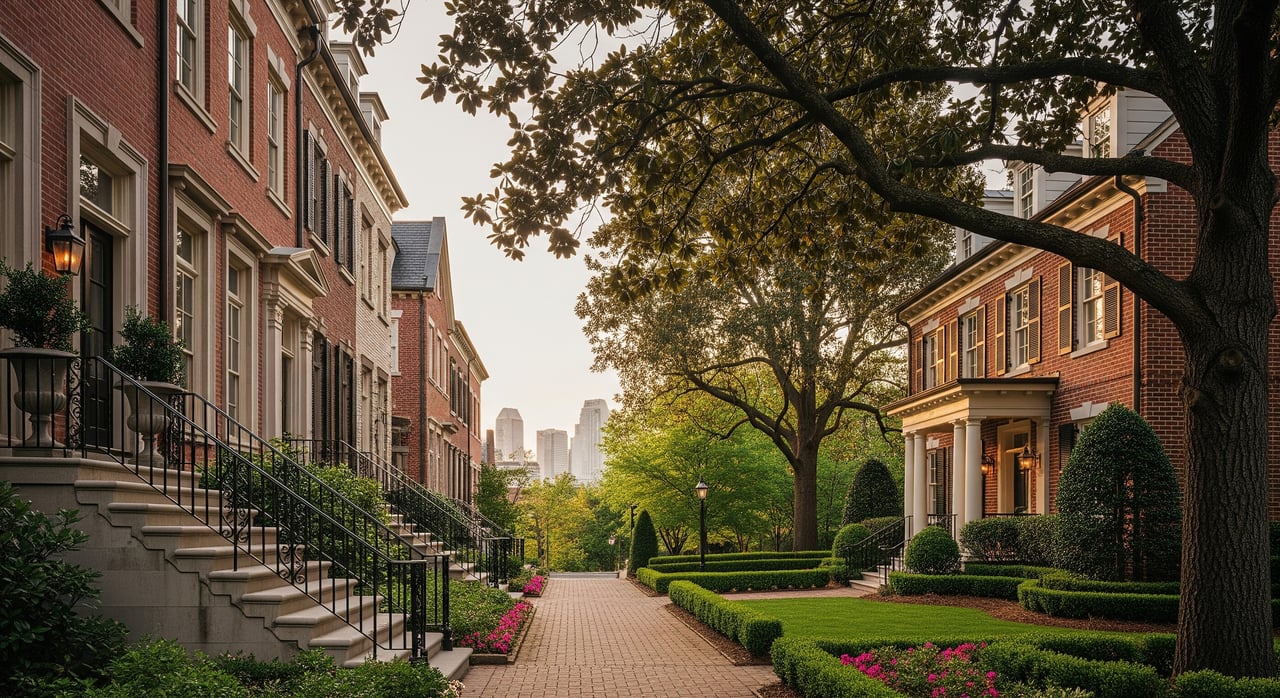
Trying to choose between a townhome and a single-family home in Atlanta can feel like comparing apples and oranges. You want the right fit for your lifestyle, commute, and budget, without surprises after closing. In this guide, you’ll learn how ownership type, HOA rules, costs, maintenance, and resale trends differ across Fulton County so you can make a confident decision. Let’s dive in.
Quick definitions in Atlanta
A single-family detached home is one dwelling on its own lot. You typically own both the structure and the land.
A townhome is an attached home that shares one or more walls. In Fulton County, townhomes come in two common legal forms:
- Fee-simple townhomes with an HOA, where you own the land under your unit and share responsibility for common areas through the association.
- Condominium-style townhomes, where some structural elements are shared under a condo regime, and the Georgia Condominium Act applies.
Why this matters: the legal form affects financing, insurance, and maintenance. Always review the governing documents, including CC&Rs, plats, condominium declarations, and bylaws, to confirm how the property is titled, what you own, and who maintains what.
Costs and financing
Purchase price patterns
In many Atlanta neighborhoods, townhomes can have a lower purchase price than nearby single-family homes because the land cost per unit is lower and walls are shared. That said, intown locations like Midtown, West Midtown, Old Fourth Ward, Inman Park, and parts of Buckhead often command premiums regardless of property type. In suburban Fulton areas such as Alpharetta, Johns Creek, Roswell, and Sandy Springs, larger lots and high demand for detached homes can push single-family prices higher.
Avoid blanket assumptions. Compare recent sold data by property type within the same neighborhood to understand local pricing.
Ongoing costs to compare
- Property taxes. Taxes are based on assessed value and local millage rates. Townhomes often have lower assessed values than nearby detached homes, but always review Fulton County assessments and available homestead exemptions for your situation.
- HOA dues. Many townhomes have monthly HOA fees. Typical metro-Atlanta ranges vary widely. Small communities may be around 100 to 300 per month. Communities with amenities like pools, gates, or exterior maintenance can range from 300 to 800 or more per month. Confirm the fee and what it covers for the specific property.
- Insurance. Single-family owners usually carry an HO-3 policy that covers the dwelling and other structures. Townhome owners often carry an HO-6 policy for interior improvements, personal property, and sometimes loss assessments. The HOA’s master policy may be bare walls-in or include roofs and exteriors. Verify coverage so you can avoid gaps.
- Maintenance. Single-family owners typically handle all exterior and landscaping. Townhome owners may have some or all exterior items covered by the HOA, depending on the documents.
Financing differences
- Fee-simple townhomes are often financed similarly to single-family homes. Condo-titled projects can require condo project reviews and may face stricter underwriting or higher mortgage insurance requirements.
- Rental rules can impact investors. If the HOA limits rentals or short-term leases, it can influence both lending and future cash flow.
- Mortgage programs and down payment options can differ for condo-classified properties. Get pre-approved early and ask your lender for property-type guidance.
HOA rules to review
Healthy HOA communities reduce surprises. Before you make an offer, request and review:
- CC&Rs, bylaws, and rules and regulations
- Recent meeting minutes and current year budget
- Financials, reserve study, and insurance certificate
- Delinquency rates and any pending or recent special assessments
Common rules that affect your day-to-day living include architectural approvals, exterior paint and landscaping standards, parking and vehicle restrictions, storage, pet policies, and short-term rental limits. Strong reserves, a clear reserve study, and low delinquencies are positive signs.
Maintenance and lifestyle
Who fixes what
- Condo-style townhomes. HOAs often maintain exteriors, roofs, and common areas while owners handle interiors. Always confirm in the documents.
- Fee-simple townhomes with an HOA. Responsibilities vary. Some associations maintain landscaping and exteriors, others only cover common areas.
- Single-family homes. You are generally responsible for the entire lot, structures, and exterior.
How that feels day to day
- Townhome advantages. Lower exterior upkeep if covered by the HOA, smaller yards, newer construction in many intown areas, and close proximity to restaurants, shopping, and transit.
- Townhome tradeoffs. Shared walls can mean more noise transfer, less privacy, smaller private outdoor spaces, and more rules.
- Single-family advantages. More privacy, larger yards, exterior customization options, and often more parking or garage storage.
- Single-family tradeoffs. Higher maintenance time and cost, plus suburban locations can add to commute times.
Local context in Fulton County
Intown Fulton neighborhoods such as Midtown, Old Fourth Ward, West Midtown, and parts of Buckhead feature a higher share of townhomes and smaller lots with strong access to MARTA and the BeltLine. Suburban Fulton communities like Alpharetta, Johns Creek, Roswell, and Sandy Springs often offer larger lots and car-oriented layouts with convenient access to GA-400 or I-285.
Privacy, outdoor space, parking
- Privacy and sound. Shared walls increase the risk of noise transfer in townhomes. Construction quality and insulation matter. Single-family homes usually provide greater separation and quieter interiors.
- Outdoor space. Many intown townhomes offer patios, small yards, or rooftop decks, with common green space maintained by the HOA. Single-family homes typically include front and back yards, private driveways, and room for gardens or additions.
- Parking. Townhomes may provide garages, assigned spaces, or shared lots. Street parking can be limited or regulated by the HOA. Single-family homes often include private driveways and garages, which can make guest parking easier.
Resale and demand
Who your next buyer might be
- Townhomes and intown properties. Often attract professionals, downsizers, and buyers who value walkability and proximity to jobs and amenities.
- Single-family and suburban properties. Often attract buyers prioritizing yard space and proximity to schools and suburban retail centers.
What tends to support value
- Location is primary. An attached home in a highly desirable intown area can outperform a detached home in a less central location.
- Lot size and zoning. Many buyers value larger lots, which can support long-term appreciation for single-family homes.
- Inventory by type. Low supply for either townhomes or detached homes in a given neighborhood can support faster price growth.
Selling and preparation
- Townhomes. Exterior changes are limited by the HOA, so focus on interior updates, storage solutions, and creating a sense of openness.
- Single-family homes. You have more options to add value with landscaping, exterior upgrades, or additions, though these can require permits and higher budgets.
Touring checklist
Use this quick checklist so you compare the right details during tours.
Townhomes
- Check shared elements. Look at rooflines across the row, gutters, exterior paint, and ask when these were last serviced.
- Listen for sound transfer. Pay attention to party walls and floors at different times of day.
- Review parking. Confirm garage size, assigned spaces, guest parking rules, and permits.
- Request HOA documents. Review CC&Rs, minutes, budget, reserve study, insurance, and rules.
- Confirm boundaries. Use the plat to verify what outdoor space is private versus common.
Single-family homes
- Walk the lot. Check drainage, grading, trees, fence lines, and driveway condition.
- Note privacy. Observe distance to neighbors and potential sightlines into patios or windows.
- Ask about permits. Confirm prior additions or exterior work and when the roof, siding, or systems were last updated.
Both property types
- Commute and access. Time your route to job centers and note proximity to MARTA or the BeltLine.
- Due diligence. Order a full home inspection and specialty inspections for pests, roof, or HVAC as needed.
- Disclosures and costs. Review seller disclosures and recent utility bills. Check flood zones, easements, and school assignments.
Next steps in Fulton County
- Get pre-approved with a local lender and ask how your options change for fee-simple versus condo-titled townhomes.
- Request and review HOA documents early in your due diligence period.
- Compare 3 to 6 months of sold data by property type within the same neighborhood to understand price per square foot and days on market.
- Talk with an insurance agent about the HOA’s master policy and your personal coverage needs.
- Consult a local agent experienced in both intown townhomes and suburban detached homes across Fulton County so you can weigh commute, lifestyle, and resale with clarity.
If you want a calm, organized path to the right home in Atlanta or Fulton County, let’s talk. With boutique, white-glove guidance and disciplined process, Shawn Nixon can help you compare your options, line up financing, and move forward with confidence.
FAQs
Are townhomes cheaper than single-family homes in Atlanta?
- Often, but not always. Townhomes can have lower prices due to smaller land costs, yet intown locations may command premiums regardless of property type. Compare recent solds within the same neighborhood.
How do HOA fees affect total cost for a townhome?
- HOA dues cover shared expenses and can range widely, from around 100 to 300 per month in smaller communities to 300 to 800 or more in amenity-rich ones. Verify what the fee covers and budget accordingly.
Is financing harder for a townhome in Fulton County?
- It depends on legal classification. Fee-simple townhomes are often financed like single-family homes. Condo-titled projects may require condo reviews and face stricter underwriting. Talk to your lender early.
Who is responsible for the roof and exterior on a townhome?
- Check the documents. In condo-style regimes the HOA often maintains exteriors and roofs, while fee-simple townhome responsibilities vary by CC&Rs and plats. Confirm before you submit an offer.
Will I pay more property taxes in a townhome?
- Taxes are based on assessed value and local millage rates. Townhomes may have lower assessed values than nearby detached homes, but you must review Fulton County assessments and available homestead exemptions for accuracy.